

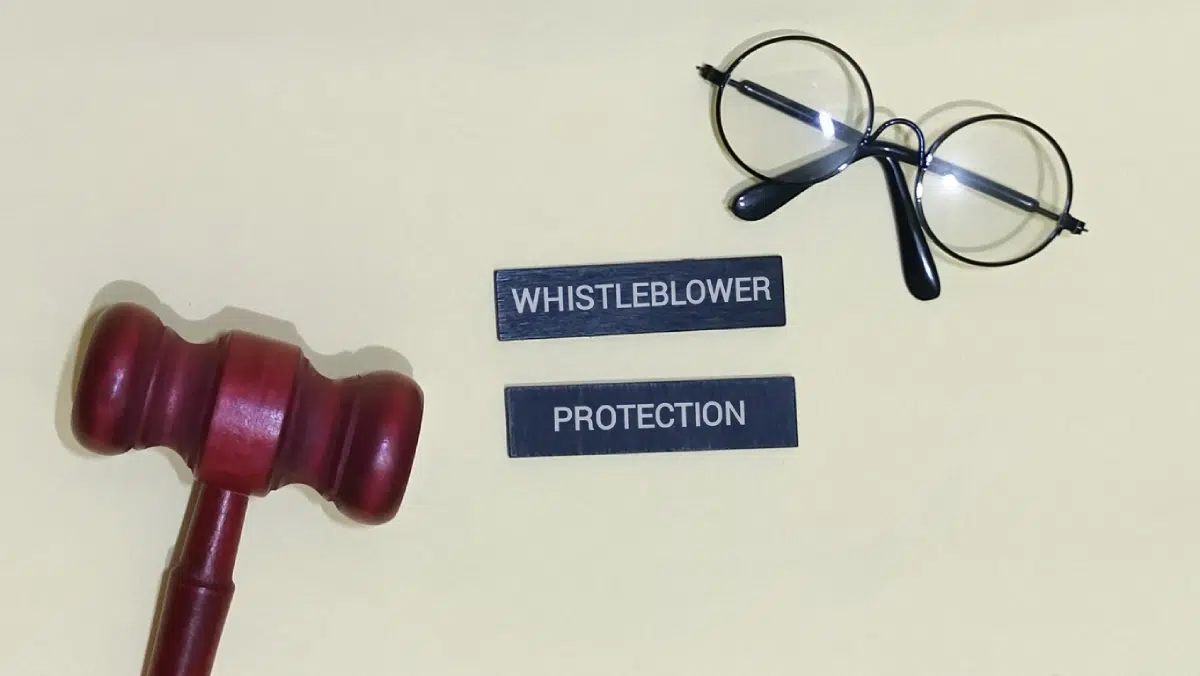
Federal, State, and local laws protect whistleblowers from workplace retaliation. Whistleblowing means disclosing information that one reasonably believes is evidence of a violation of any law or regulation; gross mismanagement; a gross waste of funds; or a substantial and specific danger to public health or safety. Whistleblower laws are powerful in that they protect brave workers who find the courage to speak up, while protecting the public from unlawful business practices.
San Francisco-specific whistleblower laws hone in on the rights of the employees working for, or with, the City and County of San Francisco. San Francisco protects the integrity of its government institutions and the rights of government employees through its strict whistleblower protections. These laws provide a specific process for reporting improper local government activity, and provide strong protections for local whistleblowers from retaliation they might face in response to reporting such activity. The City and County of San Francisco’s whistleblower protections apply to City officers, City employees, and City contractors who file complaints for investigation regarding improper local government activity.
It is essential for workers engaging with the City and County of San Francisco to understand San Francisco’s specific whistleblower laws.
Understanding Whistleblower Rights Under Federal, State, and San Francisco Law
Whistleblowers in the U.S. are protected by a complex, multi-layered system of federal, state, and local laws that safeguard employees reporting misconduct, such as fraud, safety violations, or corruption. The laws that protect any given individual will vary depending on the facts of the case. Consult with an attorney to determine which federal or state laws apply to your case.
Key Federal Protections
- Whistleblower Protection Act: The Whistleblower Protection Act (WPA) protects federal employees who blow the whistle on unlawful activity taking place at a government agency. The WPA offers protection to job applicants, current or former employees, against whistleblower retaliation. The WPA makes retaliation in the form of personnel actions, including failure to hire, termination, demotion, or harassment, against federal employees illegal.
- False Claims Act: The False Claims Act (FCA) allows the federal government to pursue misacting employers. Under the Federal False Claims Act (FCA), an employer who submits a false claim to the federal government can be held liable for significant damages. ‘False claims’ refers to a range of fraudulent behavior, including but not limited to financial fraud, healthcare fraud, Medicaid fraud or Medicare fraud, and securities fraud. The Federal Securities and Exchange Commission (SEC) is authorized to provide whistleblower awards to those who come forward to the federal government with high-quality information. In the event that the federal government does not pursue a misacting employer, the FAC gives private citizens the right to file suit against violators on behalf of the government in what are known as “qui tam” lawsuits. The FCA also prohibits retaliation against individual whistleblowers who report potential fraud or pursue their own qui tam lawsuit against their employer.
Key California State Protections
- California Whistleblower Protection Act: The California Whistleblower Protection Act (WPA) protects California state government employees who report a reasonable belief of misconduct or other legal violations at work. The WPA offers protections to job applicants, employees, and former employees. The WPA makes retaliation in the form of personnel actions, including failure to hire, termination, demotion, or harassment, illegal.
- California Labor Code 1102.5: In California, Labor Code section 1102.5 provides strong protection against whistleblower retaliation. Under section 1102.5, employers are prohibited from retaliating against employees who disclose information that the employee believes is a violation of laws or regulations. Regardless of whether the disclosure is actually a violation, the employee is still protected for making this disclosure if it is reasonable that they believed a violation could occur. Section 1102.5 further prohibits employers from retaliating against employees who the employer believes may make a disclosure, whether or not that disclosure has occurred. Finally, Section 1102.5 prohibits employers from retaliating against employees who refuse to participate in an activity that would violate a law or regulation
Key Local San Francisco Protections
- San Francisco Campaign and Governmental Conduct Code 4.115 and 4.117: San Francisco laws specifically prohibit termination, demotion, suspension, and other similar adverse actions against any City officer or employee or contracted worker because the officer or employee has in good faith filed a complaint, attempted to file a complaint, or provided any information in connection with or otherwise cooperated with any investigation regarding improper local government activity, such as fraud, waste, or misuse of funds. The San Francisco Office of the Controller administers this program, and the Ethics Commission enforces anti-retaliation protections. The Controller, in collaboration with the Ethics Commission, is also required to implement training and distribute materials to publicize whistleblower protections.
What Counts as Protected Activity?
In general, a protected activity at work is any action an employee takes to oppose or report illegal conduct, discrimination, harassment, or other unlawful practices, or to assert their rights. Protected whistleblower activity includes reporting, testifying about, or assisting in investigations of an employer’s illegal, fraudulent, unsafe, or unethical actions. It covers disclosing violations of laws/regulations, gross mismanagement, abuse of authority, wage theft, or ethical violations, and or reporting unsafe working conditions. Any whistleblowing activity done in good faith is considered to be a protected activity, even if the allegations are later disproven. Employees who engage in any protected activity at work, including protected whistleblower activity, are shielded from retaliation.
Role of the San Francisco Ethics Commission
The Ethics Commission plays a critical role in San Francisco City and County whistleblower cases. The commission is in charge of investigating all complaints of retaliation made by City employees and contractors under the city’s Whistleblower Protection Ordinance. While the City’s Controller Office handles the reports of fraud, waste, and abuse, the Ethics Commission enforces laws against retaliation for reporting such activities, aiming to protect whistleblowers from illegal, retaliatory actions. The Commission has the authority to investigate, hold hearings, and impose penalties for violations of whistleblower protection laws.
Why Employees Should Consider Hiring a Whistleblower Lawyer
Whistleblowing can be very complex. What evidence you gather, how, when, and where to report misconduct depends on the nature of the alleged violations. The patchwork of state and federal laws protecting workers can create confusion as to which laws protect whom and when. If you experience retaliation for whistleblowing, knowing how to hold your employer accountable can be challenging and intimidating. At all points in the process, from identifying a potential legal violation to holding your employer accountable in court for retaliation, a whistleblower protecting attorney will be able to help you weigh your legal options and most effectively fight for justice.
Recognizing and Responding to Whistleblower Retaliation
Retaliation can be any form of unfavorable treatment by an employer that impacts the status of an employee and can impact performance reviews, pay, promotion, demotion, workplace opportunities and training, hiring, and termination, among other things. Sudden negative performance reviews, job reassignments, and hostile work environments are common forms of retaliation. Many federal and state laws prohibit employers from retaliating against whistleblowers’ disclosures.
If you are facing whistleblower retaliation, gather any evidence of the retaliation and reach out to an attorney immediately. With an experienced attorney and sufficient evidence, you may be able to bring claims against your employer in court and recover back pay and emotional distress damages. If you have a private employer, they may also be exposed to punitive damages.
Legal Remedies and Protections for San Francisco Whistleblowers
San Francisco whistleblowers are protected by robust federal, state, and local laws against retaliation for reporting illegal acts. These whistleblower protection laws provide remedies for retaliatory actions such as termination or demotion. Remedies for unlawful whistleblower retaliation include reinstatement, back pay, emotional distress damages, punitive damages, and attorney fees.
If you are experiencing retaliation in the workplace and looking for legal representation by a whistleblower law firm in San Francisco, reach out to Navruz Avloni for a confidential consultation today. Whether or not you are a signed client, all related communications, including initial consultations and case evaluations, with Navruz Avloni are confidential and covered by the attorney-client privilege. Avloni Law is a law firm dedicated to representing whistleblowers.


