

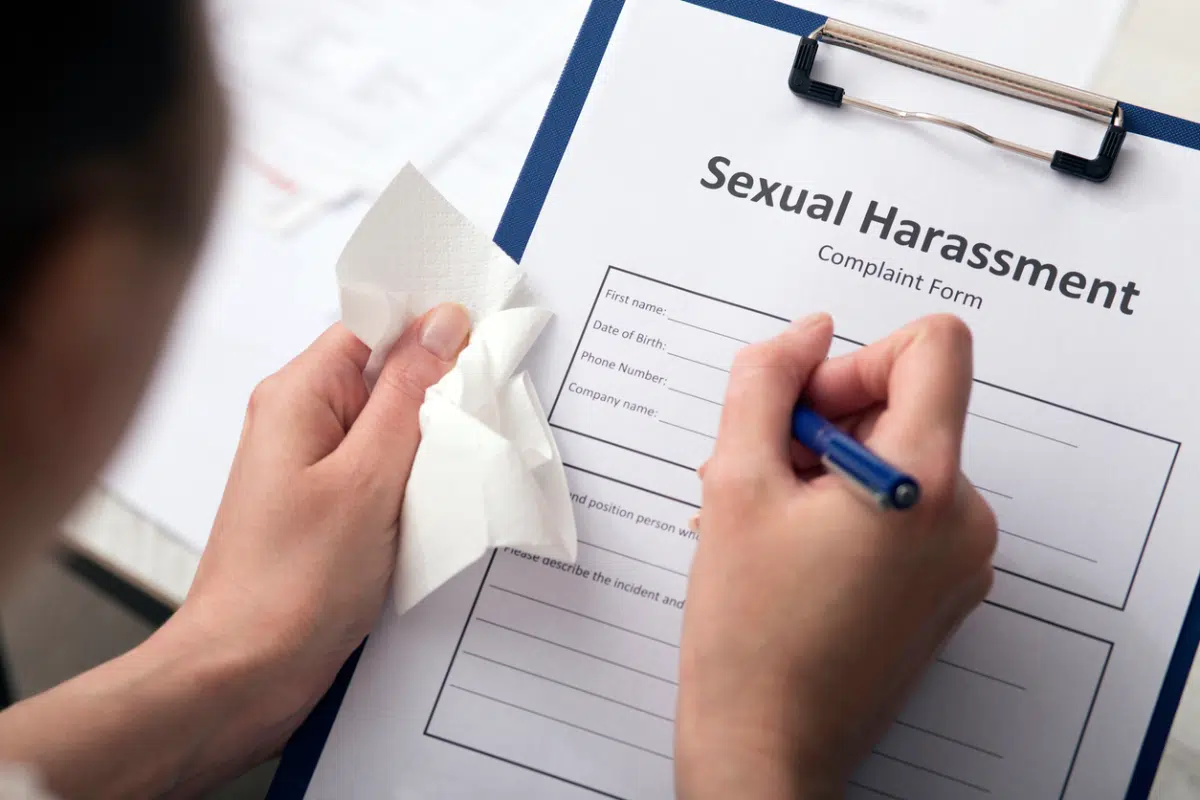
If you have been sexually harassed at work, begin by protecting your safety, documenting what happened, preserving evidence, and identifying your reporting options. Reporting sexual harassment internally, filing an agency complaint, and pursuing a civil lawsuit involve different procedures. Understanding those differences helps employees protect their rights without overlooking deadlines.
At Avloni Law, we represent California employees facing workplace sexual harassment, discrimination, and retaliation. Our guide to identifying and reporting sexual harassment in the workplace explains how to recognize misconduct and raise concerns.
Knowing what to do if sexually harassed at work starts with understanding your circumstances. The following sections explain available steps, employer responsibilities, and when legal guidance may help.
What Should You Do Immediately After Experiencing Sexual Harassment?
Your safety comes first. If an incident involves sexual assault, sexual violence, threats, or physical danger, move somewhere safe and seek emergency assistance or medical care when needed. Someone you trust can provide support.
If you feel safe, tell the person the behavior is unwelcome and should stop. However, you should not put yourself at risk to confront someone. Freezing, remaining silent, or continuing to work does not establish that sexual advances were welcome.
Write down what happened while details are fresh. Preserve relevant messages and identify witnesses. You do not need a complete evidentiary record before seeking help.
Experiencing sexual harassment can affect your health, finances, and confidence at work. A sexual harassment attorney can explain the risks involved in reporting, resigning, or signing a severance agreement before you make decisions affecting a potential legal claim.
How Can You Tell Whether Workplace Conduct May Be Sexual Harassment?
Offensive Behavior That May Be Considered Sexual Harassment
Sexual harassment refers to unwelcome sexual advances, requests for sexual favors, and other conduct of a sexual nature or based on sex. It includes gender-based harassment and harassment based on gender identity, gender expression, pregnancy, or sexual orientation.
Examples of conduct that may constitute sexual harassment include:
- sending sexually suggestive messages or pictures;
- making offensive comments about a person’s sex or body;
- repeated unwanted sexual propositions;
- physical harassment, including groping or blocking movement; and
- demanding sexual favors in exchange for workplace benefits.
Harassment can involve people of the same sex and need not reflect sexual desire. Men, women, and nonbinary employees can experience illegal sexual harassment. California’s sexual harassment guidance addresses these protections.
Sexual harassment at work can extend beyond the office. Work-related travel, remote meetings, customer interactions, and messages sent after hours may be relevant when the conduct arises from employment or affects working conditions.
Quid Pro Quo Harassment and a Hostile Work Environment
Quid pro quo harassment involves tying job benefits or threatened consequences to submission to sexual acts or advances. A hostile work environment involves unwelcome sex-based conduct sufficiently severe or pervasive to alter working conditions.
Federal law does not generally prohibit simple teasing or minor isolated incidents. However, repeated offensive remarks or one sufficiently severe incident may support a sexual harassment claim. Courts assess the workplace environment and surrounding circumstances on a case-by-case basis. Inappropriate behavior may also violate company policy before it reaches the legal threshold.
What Should You Document If You Are Being Harassed at Work?
A detailed record helps establish what happened, who knew, and how the employer responded. When documenting workplace sexual harassment, include:
- dates, times, locations, and the people involved;
- the specific offensive conduct, using exact words when remembered;
- witnesses and people you told afterward;
- your response, including any request that the harassment stop;
- reports to management and subsequent communications; and
- effects on your work, health, or emotional well-being.
Preserve texts, emails, voicemails, photographs, and workplace messages with their surrounding context. Keep original records, including material that seems embarrassing or unfavorable. Your own account matters even when nobody witnessed the incident.
Store personal notes securely outside employer-controlled accounts. Before copying company records, consider confidentiality obligations and obtain advice about lawful preservation. Do not access information without authorization.
California generally restricts recording confidential conversations without all parties’ consent, subject to exceptions. Consult an attorney about California’s recording law before recording.
How Should You Report Sexual Harassment to Your Employer?
Reporting Harassment to Human Resources
Review your employee handbook, sexual harassment policy, and sexual harassment prevention training materials. These should identify reporting contacts and explain how to submit an internal complaint.
Report the harassment clearly. A written sexual harassment complaint should identify the conduct, dates, witnesses, evidence, and safety concerns. Explain that the behavior was unwelcome and request an investigation and protection from further harassment. Legal terminology is unnecessary.
For example, explain that a supervisor repeatedly requested sexual favors and threatened to reduce your hours. Identify the specific dates and any messages or witnesses that may support your account.
Ask human resources or management to acknowledge receipt in writing. Keep your complaint and follow-up communications. If you report orally, send an accurate written summary afterward.
Employers must take harassment complaints seriously and take reasonable steps to prevent sexual harassment. California’s harassment prevention guide explains the duty to investigate alleged legal or policy violations promptly, thoroughly, and fairly. Investigations require appropriate confidentiality, but complete secrecy cannot be guaranteed.
What If Your Employer Does Not Stop the Harassment?
An investigation alone does not resolve ongoing harassment in the workplace. If harassing behavior continues, document new incidents, report them, and explain why the response has been ineffective.
For example, requiring someone to continue working alone with the alleged harasser may leave a safety concern unresolved. Cutting the complaining employee’s hours may create additional retaliation concerns. Such behavior deserves review.
Ask what protective measures are available. Although the employer may not disclose another employee’s discipline, you can ask whether the investigation has concluded and how further misconduct will be prevented.
If management ignores harassment complaints, pressures you to withdraw them, or permits continued harassing conduct, speak with a sexual harassment attorney. You can explore outside options while an internal process remains pending.
When Should You Consider Filing an External Workplace Harassment Complaint?
California Civil Rights Department and Equal Employment Opportunity Commission
An internal complaint differs from a legal complaint filed with a government agency. California’s Civil Rights Department (CRD) enforces state anti-discrimination laws. The Equal Employment Opportunity Commission (EEOC) is the federal government agency responsible for enforcing federal employment discrimination laws.
For California Fair Employment and Housing Act claims, an intake form generally must be submitted to CRD within three years of the alleged unlawful practice. A later, unrelated incident does not extend the deadline for an earlier claim.
The EEOC deadline is generally 180 days, extended to 300 days when a state or local agency enforces a parallel law, as in California. Federal employees generally follow a separate process beginning with EEO counselor contact within 45 days.
Internal investigations generally do not pause filing deadlines. Consulting an attorney can help you determine whether to pursue state remedies, a charge with the federal agency, or both.
What Legal Options May Be Available After Workplace Sexual Harassment?
California’s Fair Employment and Housing Act
California’s Fair Employment and Housing Act generally covers workplace harassment at employers with one or more employees, subject to exceptions. Title VII of the Civil Rights Act prohibits sexual harassment as a form of sex discrimination and generally covers employers with at least 15 employees.
After meeting administrative requirements, including obtaining the appropriate right-to-sue notice, an employee may pursue a sexual harassment claim in court. Separate lawsuit deadlines apply. A notice permits litigation; it does not establish liability.
Potential remedies include:
- lost wages and benefits;
- emotional distress damages;
- reinstatement or changes to workplace practices;
- attorney fees and costs; and
- punitive damages when additional legal requirements are satisfied.
Punitive damages are not automatic. Compensation depends on the evidence and applicable law. Sexual assault or other physical conduct may also support separate civil claims. An attorney can discuss litigation, negotiation, and mediation.
What Should You Do If the Harasser Is Your Boss or You Fear Retaliation?
Reporting Harassment by a Co-Worker or Supervisor
A victim’s supervisor may control pay, assignments, and continued employment, making reporting sexual harassment especially difficult. Use another designated reporting channel. If the owner is involved or no meaningful alternative exists, consult an attorney about reporting safely.
Under California law, employers generally face liability for a supervisor’s workplace harassment without proof of prior notice. For co-worker harassment, liability generally depends on whether the employer knew or should have known and failed to take appropriate corrective action.
Retaliation for protected reporting or opposition is unlawful. Document threats, reduced hours, unexplained discipline, demotion, or termination after reporting harassment. Timing and the employer’s explanation may help establish whether an action was retaliatory.
Speak With Avloni Law About Workplace Sexual Harassment
Avloni Law represents employees who have experienced sexual harassment, discrimination, and retaliation throughout California. Our attorneys can review evidence, assess the employer’s response, and explain potential claims and deadlines.
Contact Avloni Law to discuss your circumstances and options for protecting your rights. You do not have to decide whether to file a lawsuit before asking about your legal options.
This article provides general information, not legal advice.


